elliotlyons
®
®
®
Rapid prototyping, automated workflows and ai-integrated systems
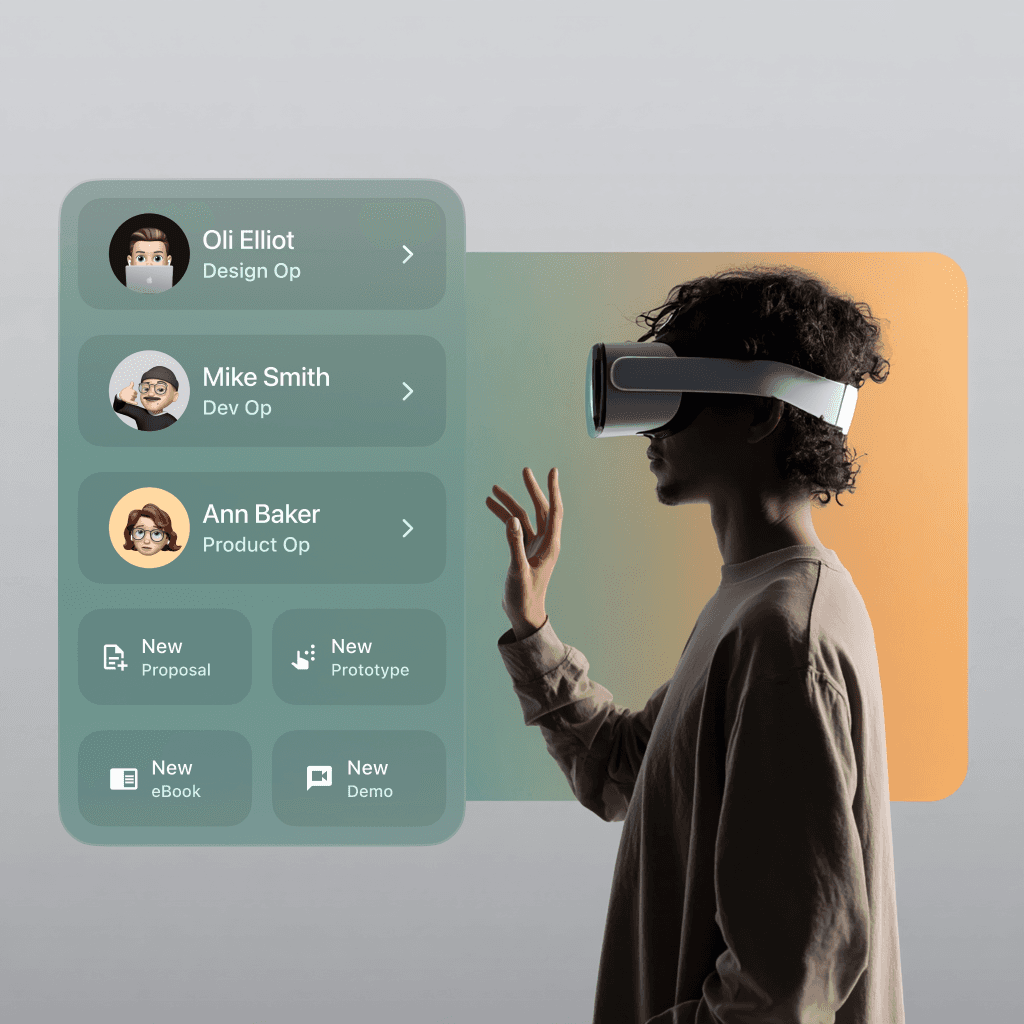
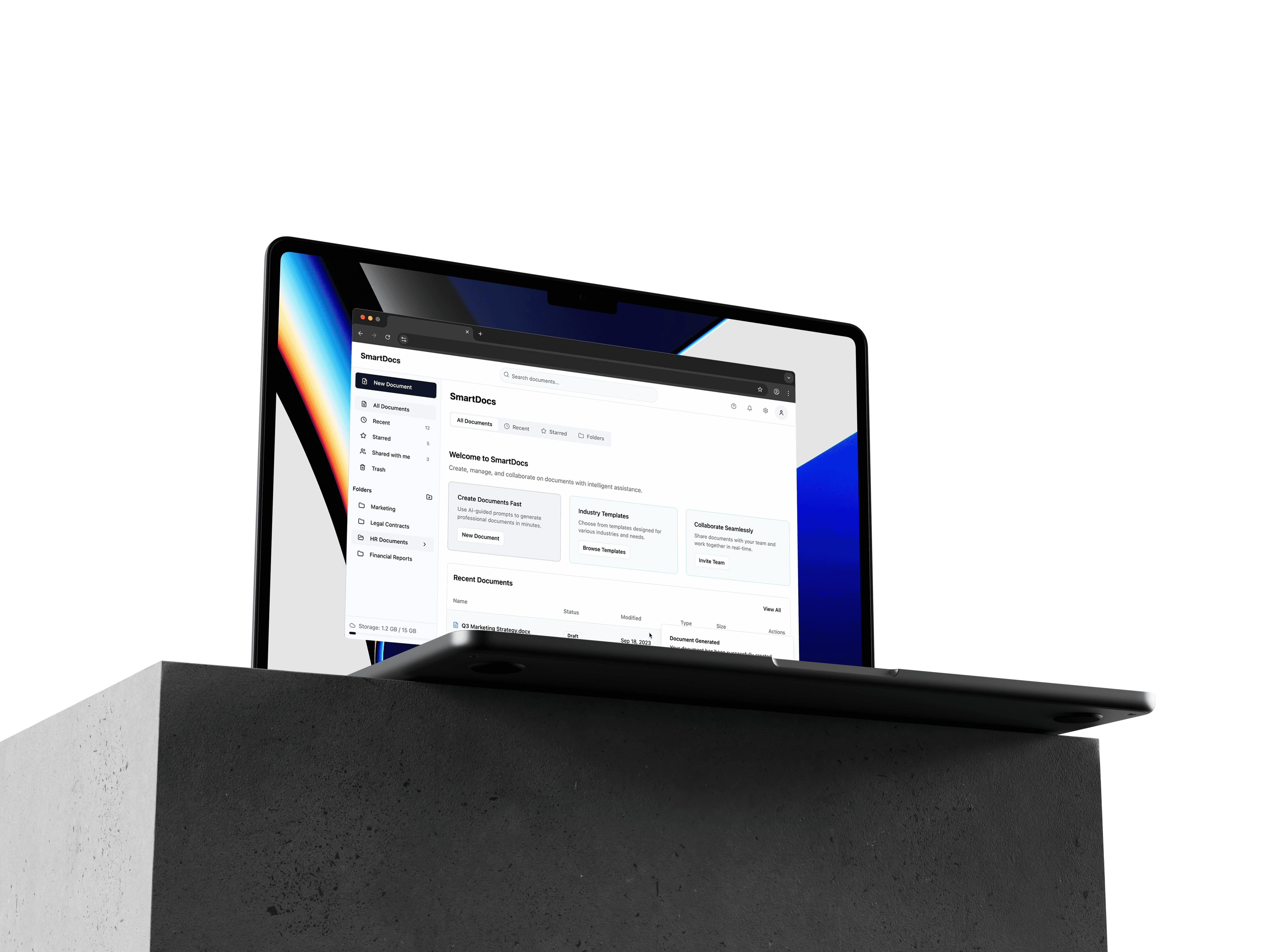
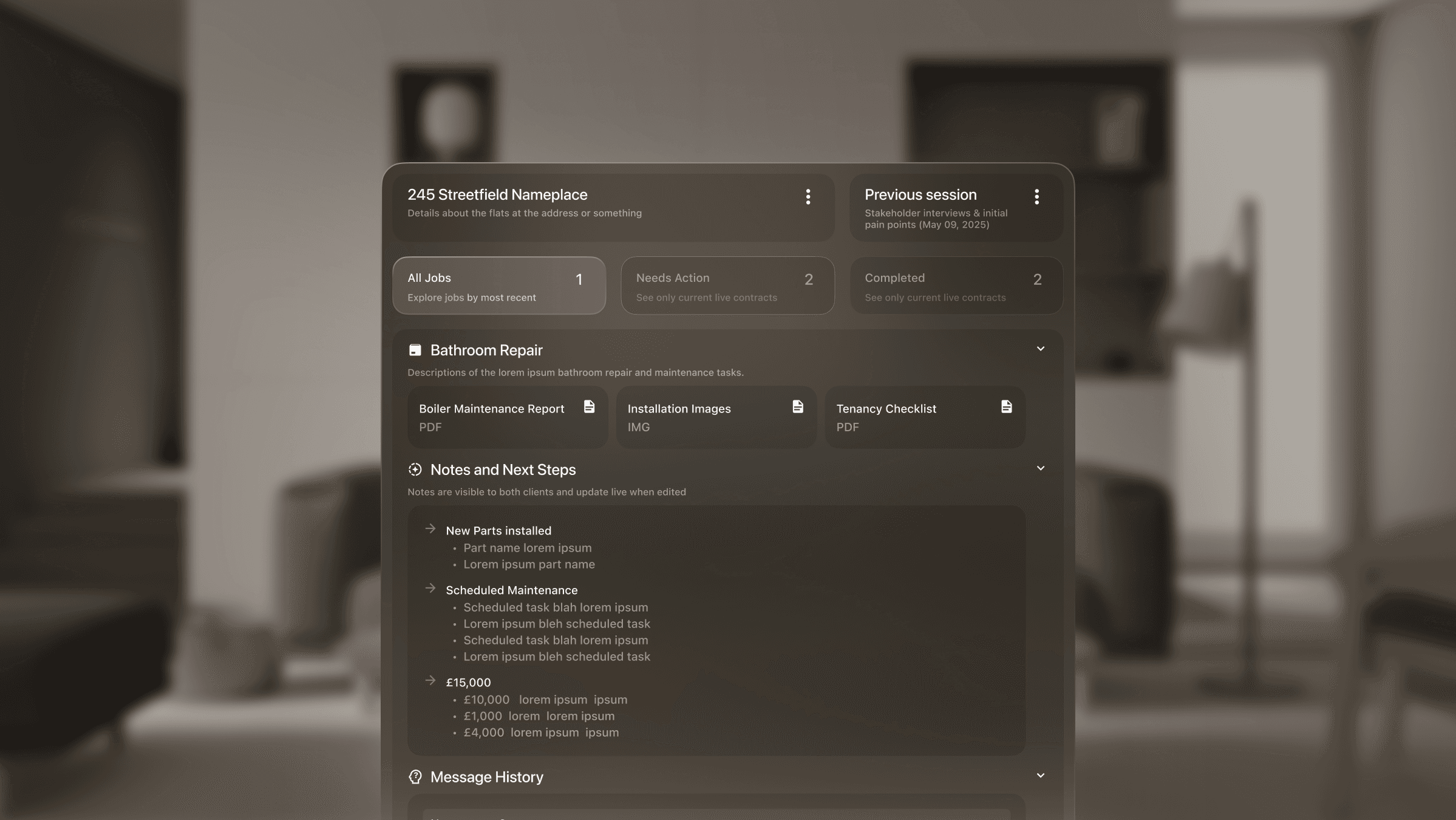

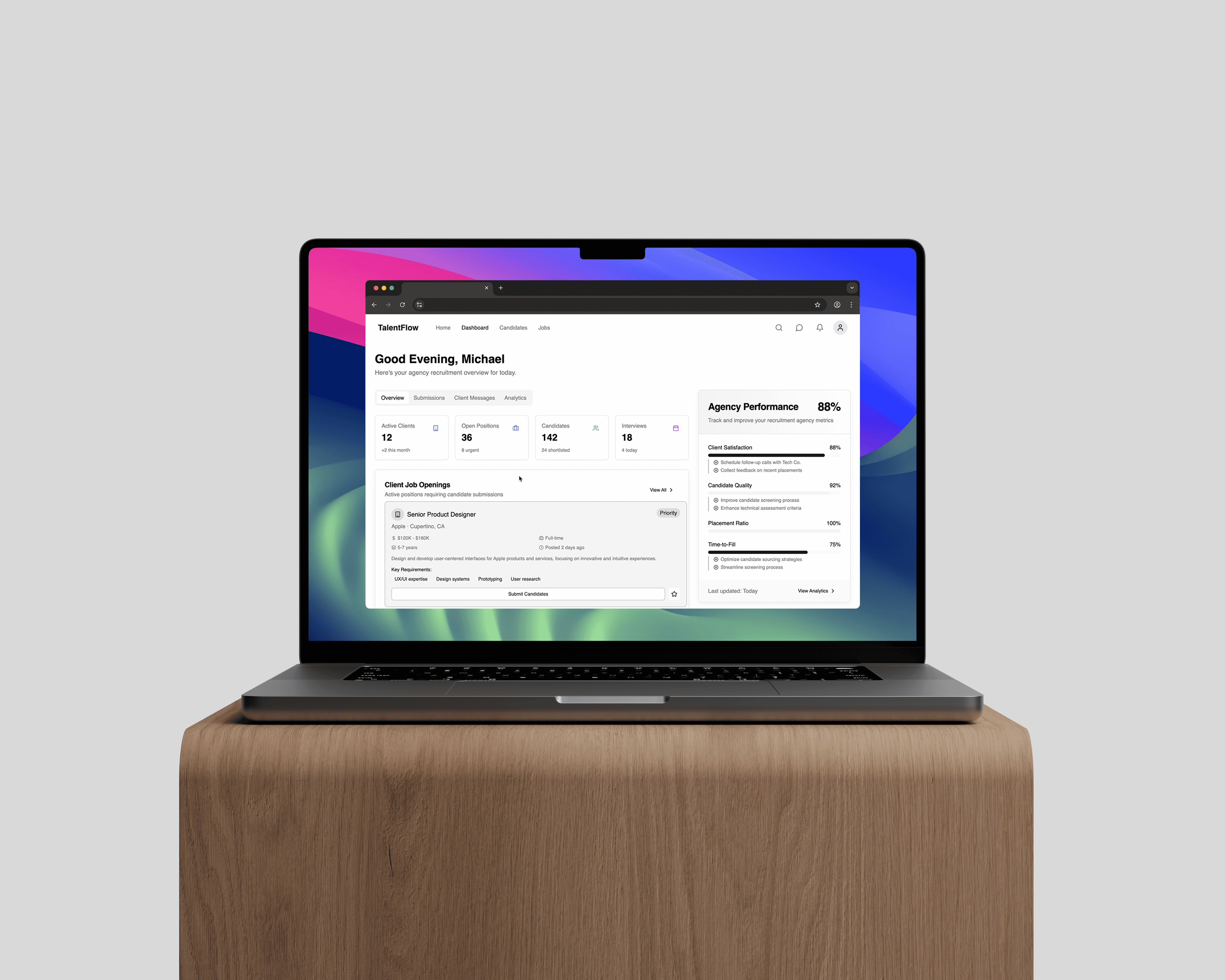

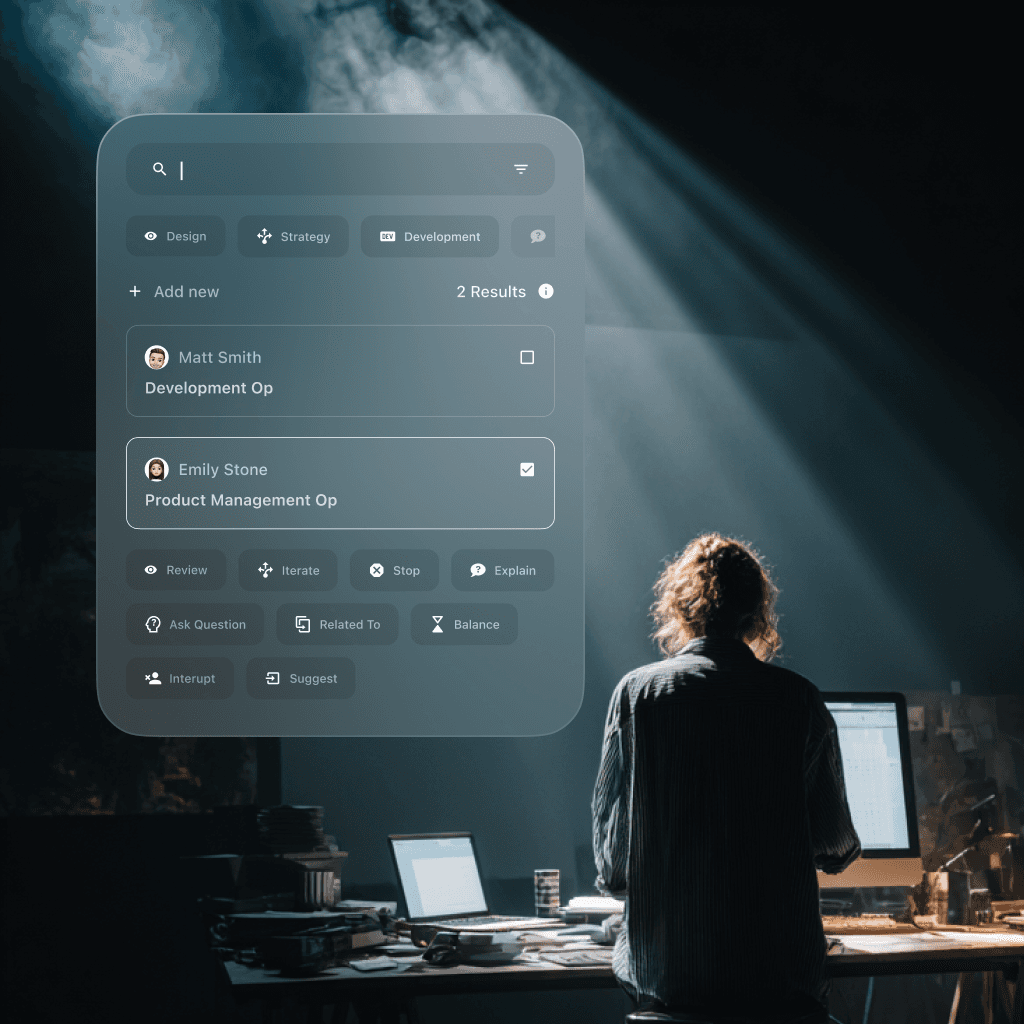

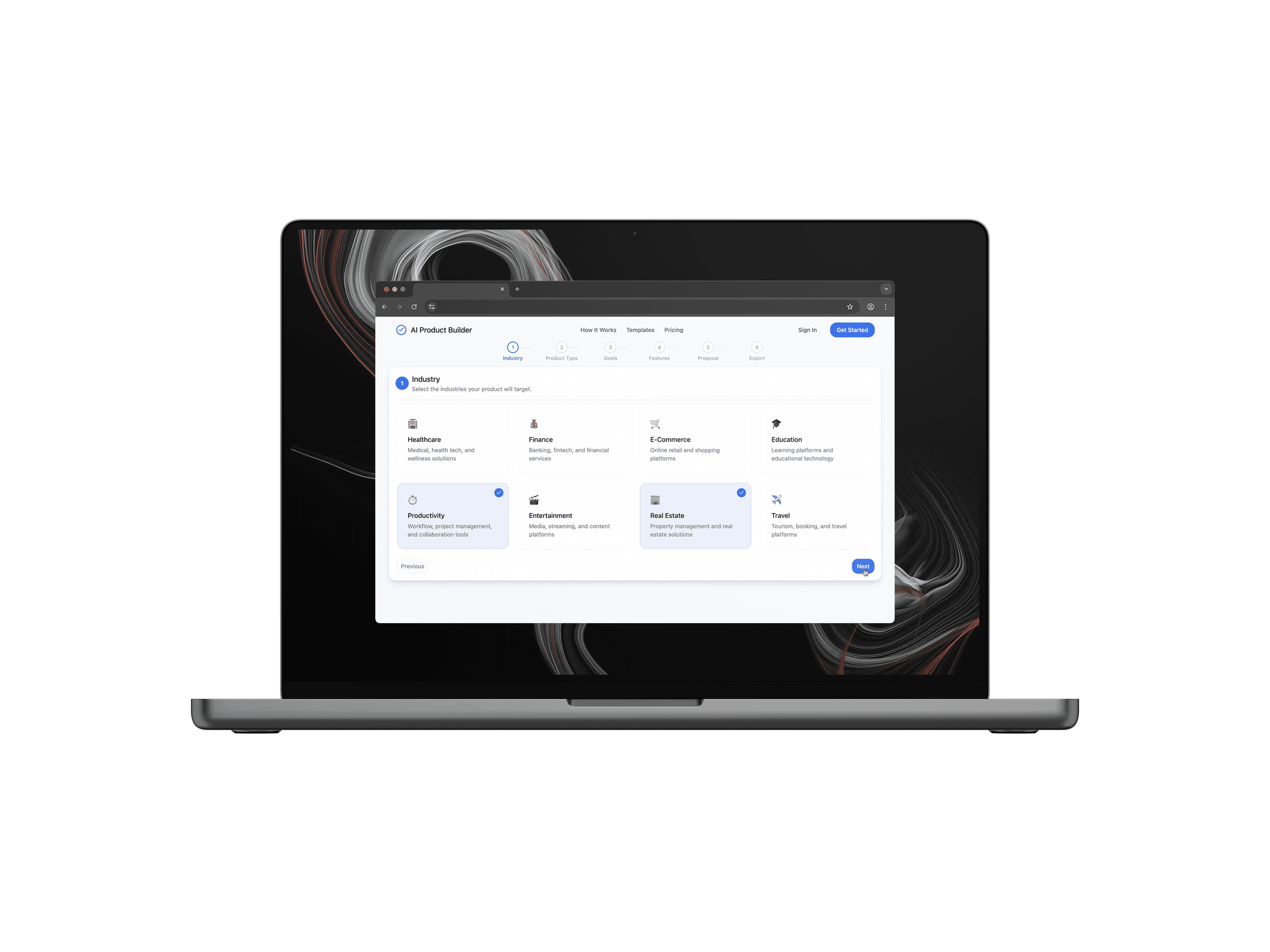
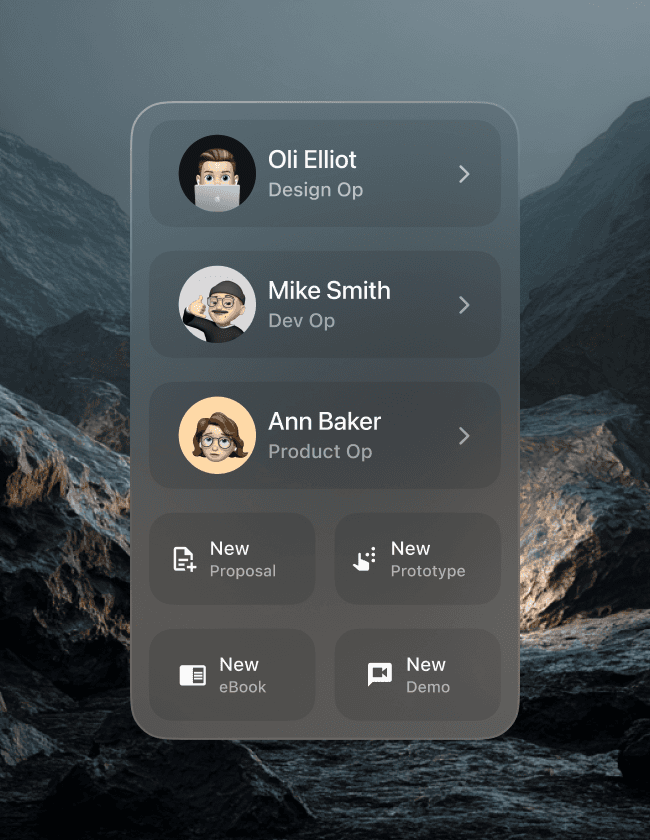





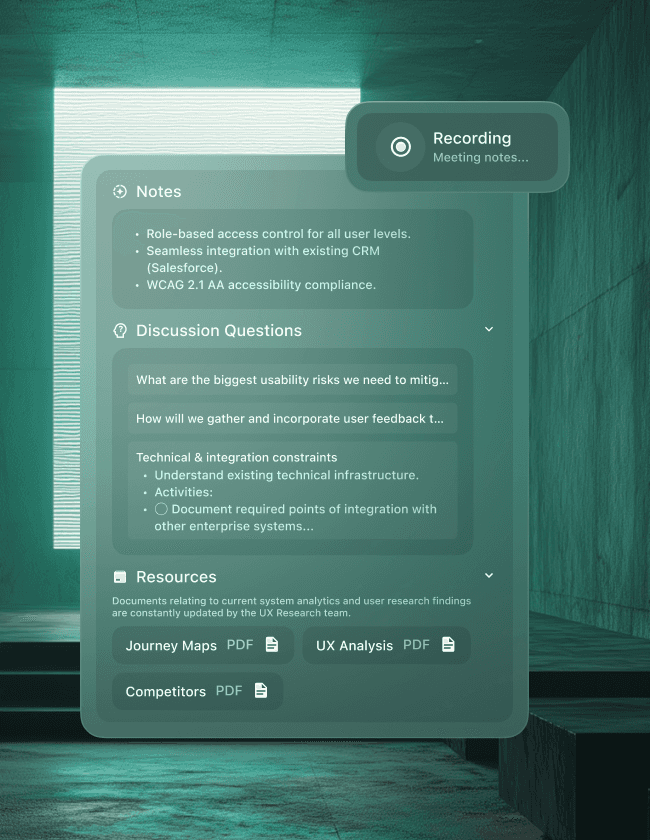
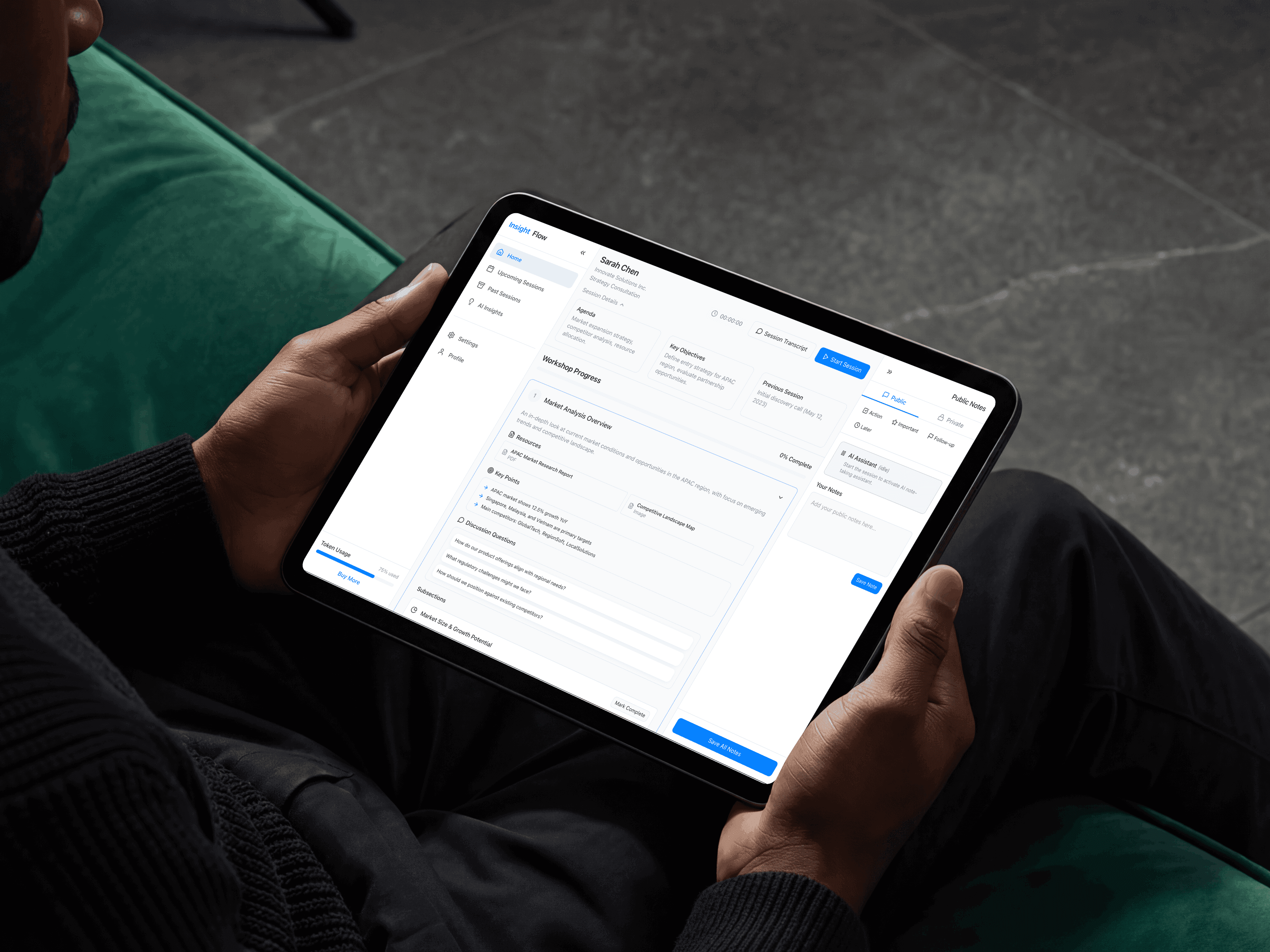
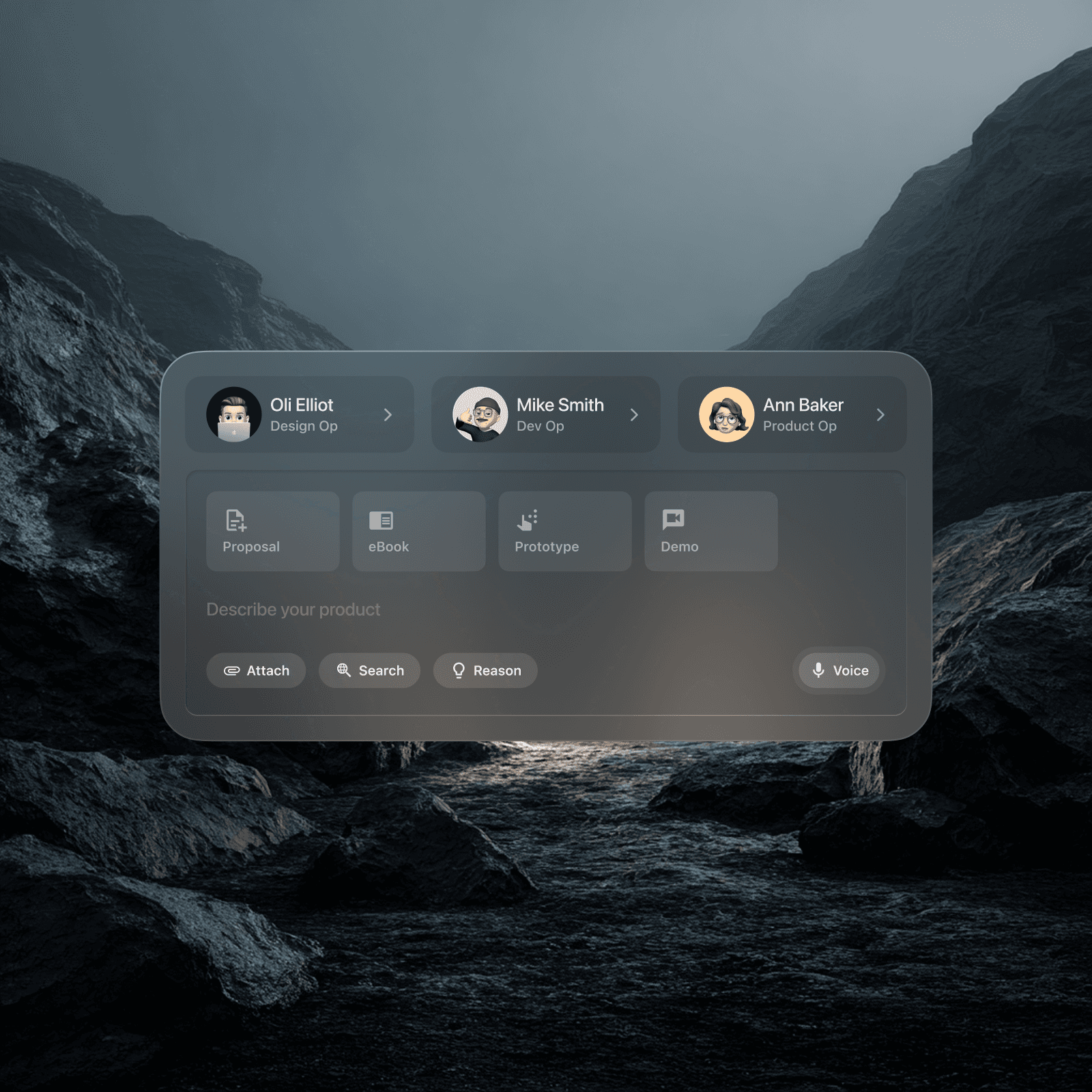
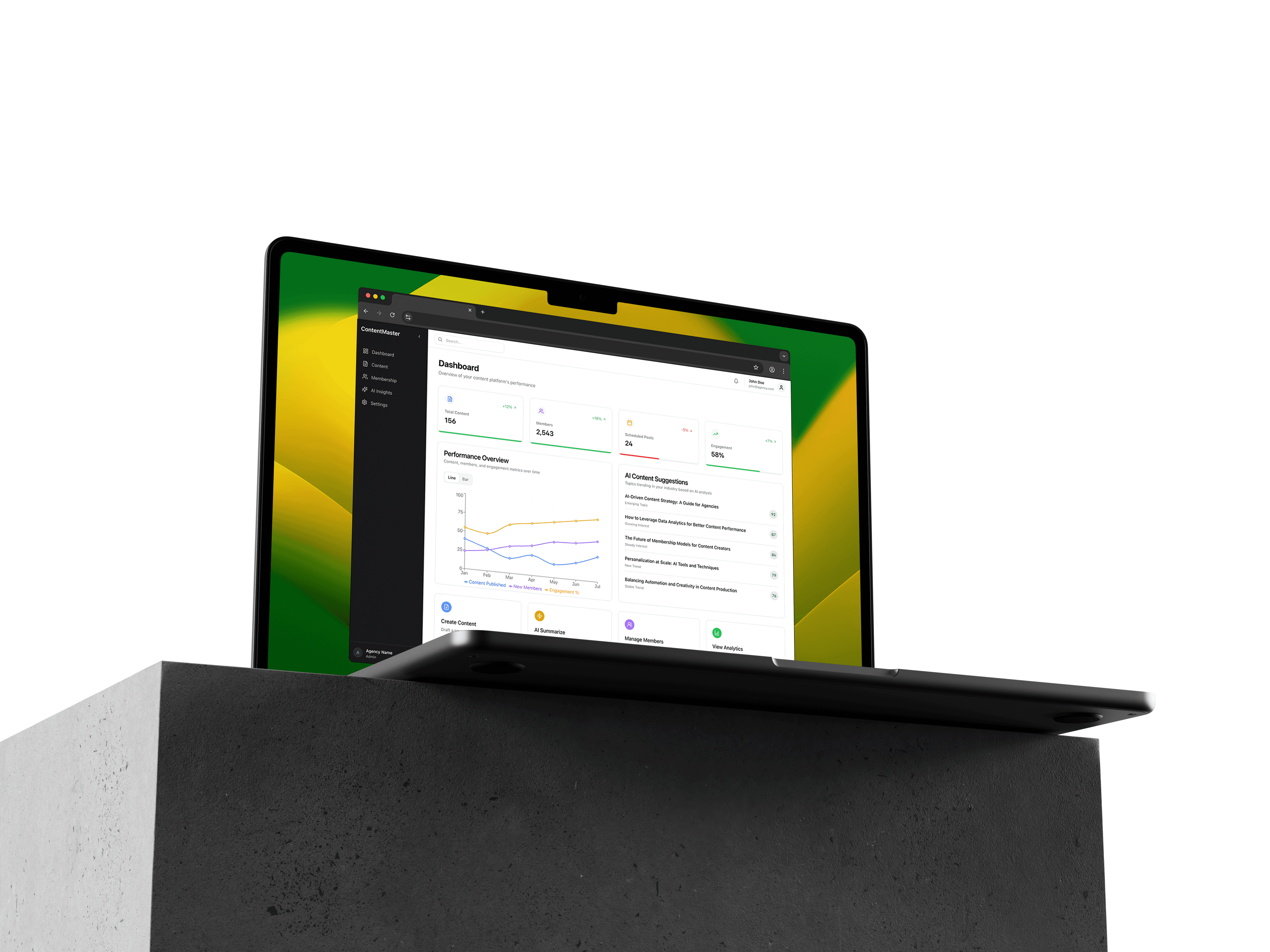
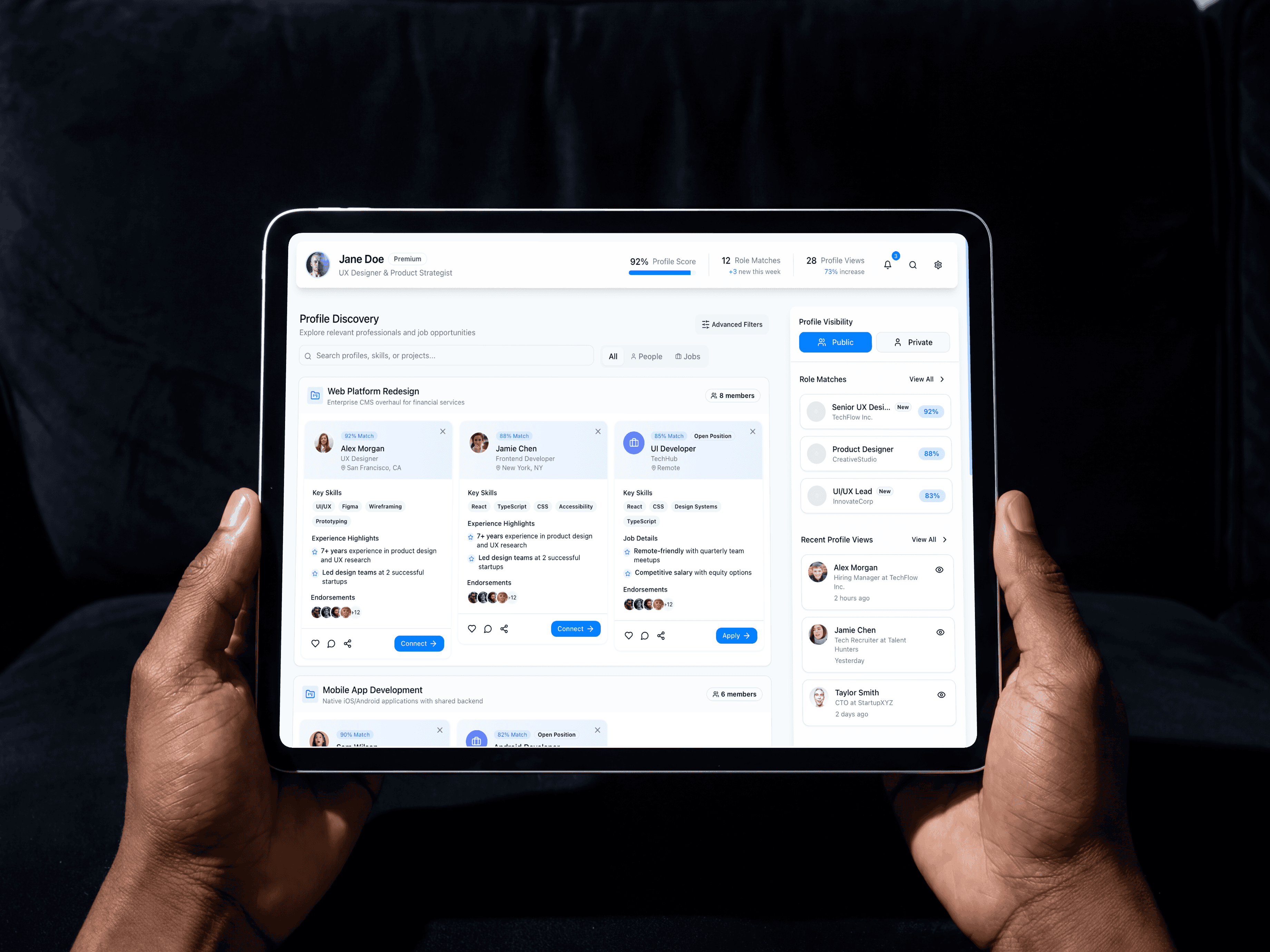
Bespoke ai-Integrated systems that enhance output and reduce risk of complex, operational tasks.














_001
Risk Reduction
Manual data entry exposes businesses to critical mistakes. Architecting systems linked to a single source of truth lessens the likelihood of data errors, ensuring compliance and protecting against costly operational oversights.

_001
Risk Reduction
Manual data entry exposes businesses to critical mistakes. Architecting systems linked to a single source of truth lessens the likelihood of data errors, ensuring compliance and protecting against costly operational oversights.
_001
Risk Reduction
Manual data entry exposes businesses to critical mistakes. Architecting systems linked to a single source of truth lessens the likelihood of data errors, ensuring compliance and protecting against costly operational oversights.
_002
Resource Efficiency
High-value employees lose hours to administrative friction. Designing AI-native workspaces speeds up and automates repetitive tasks—like generating reports and structuring data—shifting focus from manual management to strategic execution.

_002
Resource Efficiency
High-value employees lose hours to administrative friction. Designing AI-native workspaces speeds up and automates repetitive tasks—like generating reports and structuring data—shifting focus from manual management to strategic execution.
_002
Resource Efficiency
High-value employees lose hours to administrative friction. Designing AI-native workspaces speeds up and automates repetitive tasks—like generating reports and structuring data—shifting focus from manual management to strategic execution.
_003
Unblock Operations
Siloed departments create severe bottlenecks. Building unified, cross-functional platforms automatically carries data and informs decisions between teams in real time, creating a frictionless pipeline that accelerates internal momentum.

_003
Unblock Operations
Siloed departments create severe bottlenecks. Building unified, cross-functional platforms automatically carries data and informs decisions between teams in real time, creating a frictionless pipeline that accelerates internal momentum.
_003
Unblock Operations
Siloed departments create severe bottlenecks. Building unified, cross-functional platforms automatically carries data and informs decisions between teams in real time, creating a frictionless pipeline that accelerates internal momentum.
_004
Competitive Agility
Adapting internal systems faster than the competition is a structural advantage. Rapidly deploying and refining proprietary workflows ensures operational infrastructure actively drives new business initiatives forward, rather than acting as a rigid anchor.

_004
Competitive Agility
Adapting internal systems faster than the competition is a structural advantage. Rapidly deploying and refining proprietary workflows ensures operational infrastructure actively drives new business initiatives forward, rather than acting as a rigid anchor.
_004
Competitive Agility
Adapting internal systems faster than the competition is a structural advantage. Rapidly deploying and refining proprietary workflows ensures operational infrastructure actively drives new business initiatives forward, rather than acting as a rigid anchor.
_005
Unify Systems
Navigating fragmented legacy tools drains thousands of hours. Architecting custom software that pulls disparate data streams into a single, cohesive interface drastically reduces administrative friction and reclaims lost productivity.

_005
Unify Systems
Navigating fragmented legacy tools drains thousands of hours. Architecting custom software that pulls disparate data streams into a single, cohesive interface drastically reduces administrative friction and reclaims lost productivity.
_005
Unify Systems
Navigating fragmented legacy tools drains thousands of hours. Architecting custom software that pulls disparate data streams into a single, cohesive interface drastically reduces administrative friction and reclaims lost productivity.
AI-native systems to empower the workforce and scale human potential to eliminate operational bottlenecks.

Faster time-to-value by bypassing traditional design-to-development pipelines.
Faster time-to-value by bypassing traditional design-to-development pipelines.
Faster time-to-value by bypassing traditional design-to-development pipelines.
Hours reclaimed weekly per employee by automating complex administrative workflows.
Hours reclaimed weekly per employee by automating complex administrative workflows.
Hours reclaimed weekly per employee by automating complex administrative workflows.
Reduction in data errors through single-source-of-truth system architecture.
Reduction in data errors through single-source-of-truth system architecture.
Reduction in data errors through single-source-of-truth system architecture.
Lower architectural overhead by replacing bloated agency build cycles.
Lower architectural overhead by replacing bloated agency build cycles.
Lower architectural overhead by replacing bloated agency build cycles.
Proven Results
Bespoke ai-integrated systems don't just transform how a business operates, they help future-proof work by naturally strengthening risk management and compliance.
"Most AI tools feel like bolted-on chatbots. This architecture structured our raw data into actionable, colour-coded insights immediately. Seeing the logic work in a live environment, rather than assuming it would translate from a static Figma file, saved us an entire quarter of development time."
Syynth (AI-Driven Strategic Reporting)
VP of Strategy & Operations
"Most AI tools feel like bolted-on chatbots. This architecture structured our raw data into actionable, colour-coded insights immediately. Seeing the logic work in a live environment, rather than assuming it would translate from a static Figma file, saved us an entire quarter of development time."
Syynth (AI-Driven Strategic Reporting)
VP of Strategy & Operations
"Most AI tools feel like bolted-on chatbots. This architecture structured our raw data into actionable, colour-coded insights immediately. Seeing the logic work in a live environment, rather than assuming it would translate from a static Figma file, saved us an entire quarter of development time."
Syynth (AI-Driven Strategic Reporting)
VP of Strategy & Operations
"We used to spend months mapping out enterprise document automation through traditional agency cycles. This approach moved us straight into a live, data-linked environment in a matter of days. It completely eliminated our administrative bottlenecks and secured our data integrity."
Process Pilot (Document Orchestration)
Chief Operating Officer
"We used to spend months mapping out enterprise document automation through traditional agency cycles. This approach moved us straight into a live, data-linked environment in a matter of days. It completely eliminated our administrative bottlenecks and secured our data integrity."
Process Pilot (Document Orchestration)
Chief Operating Officer
"We used to spend months mapping out enterprise document automation through traditional agency cycles. This approach moved us straight into a live, data-linked environment in a matter of days. It completely eliminated our administrative bottlenecks and secured our data integrity."
Process Pilot (Document Orchestration)
Chief Operating Officer
"The traditional agency model quoted us six months just to deliver the product requirements and UI concepts. By building the logic directly into a functional, publishable prototype, we had an AI-driven specification tool ready for market validation in weeks. The velocity is unmatched."
AI Product Builder (Intelligent Scoping Workspace)
Technical Founder
"The traditional agency model quoted us six months just to deliver the product requirements and UI concepts. By building the logic directly into a functional, publishable prototype, we had an AI-driven specification tool ready for market validation in weeks. The velocity is unmatched."
AI Product Builder (Intelligent Scoping Workspace)
Technical Founder
"The traditional agency model quoted us six months just to deliver the product requirements and UI concepts. By building the logic directly into a functional, publishable prototype, we had an AI-driven specification tool ready for market validation in weeks. The velocity is unmatched."
AI Product Builder (Intelligent Scoping Workspace)
Technical Founder
"Designing a spatial operating system requires seeing how the interface reacts to real-world context and data. Moving straight to code allowed us to test the human-AI interactions in reality. It fundamentally upgraded how our engineering and product teams collaborate."
IdeaOps (Spatial Product OS)
Head of Product Operations
"Designing a spatial operating system requires seeing how the interface reacts to real-world context and data. Moving straight to code allowed us to test the human-AI interactions in reality. It fundamentally upgraded how our engineering and product teams collaborate."
IdeaOps (Spatial Product OS)
Head of Product Operations
"Designing a spatial operating system requires seeing how the interface reacts to real-world context and data. Moving straight to code allowed us to test the human-AI interactions in reality. It fundamentally upgraded how our engineering and product teams collaborate."
IdeaOps (Spatial Product OS)
Head of Product Operations
FAQs
Will integrating these AI systems replace human employees?
No. The goal of AI-native architecture is to amplify human capabilities, not replace them. By automating repetitive administrative friction and structuring raw data, these systems empower high-value employees to focus entirely on strategic, creative, and complex problem-solving. The technology shifts the workforce from data management to data leverage.
What are the immediate operational benefits of deploying bespoke AI tools?
Integrating custom AI systems directly addresses internal bottlenecks. The primary benefits include a drastic reduction in time spent on manual reporting, the elimination of cross-departmental data silos, and a significant decrease in human error. This creates a frictionless environment where decisions are made faster and backed by structured, real-time intelligence.
How is data accuracy maintained when using generative AI features?
Enterprise-grade platforms are built with strict "human-in-the-loop" architecture. Rather than operating as an unpredictable black box, the interface is designed to make algorithmic logic transparent. By providing tactile refinement controls, confidence score breakdowns, and mandatory approval checkpoints, the system ensures that AI output is always verified and steered by domain experts before implementation.
Can these platforms integrate with existing legacy software?
Yes. A core advantage of custom system architecture is its ability to act as a unifying layer. Instead of forcing teams to abandon critical legacy databases, modern AI-driven interfaces can be engineered to pull disparate data streams into a single, cohesive workspace. This reclaims thousands of hours previously lost to context-switching between fragmented, disconnected apps.
Are these rapid-deployment systems scalable as the business grows?
Absolutely. Moving quickly from product logic to functional code does not mean sacrificing structural integrity. These platforms are built using robust, modular components and scalable frameworks. This ensures that the operational infrastructure can dynamically grow, support entirely new workflows, and adapt seamlessly as enterprise requirements evolve over time.
How is sensitive enterprise data protected when implementing generative AI?
Security is a foundational element of enterprise AI architecture. Rather than feeding proprietary business data into public models, bespoke systems utilise closed-loop environments and secure integrations. This ensures that internal information remains strictly confidential, consistently adheres to industry compliance standards, and is never leveraged to train external algorithms.
Will introducing these AI tools require extensive employee retraining?
The fundamental purpose of tactile, AI-native design is to reduce cognitive load, not add to it. By transforming dense technical mechanics into fluid, intuitive interfaces, the software seamlessly aligns with natural human workflows. This focus on clear, explainable architecture ensures rapid employee adoption and heavily minimises the operational downtime typically associated with onboarding complex new enterprise software.
Will integrating these AI systems replace human employees?
No. The goal of AI-native architecture is to amplify human capabilities, not replace them. By automating repetitive administrative friction and structuring raw data, these systems empower high-value employees to focus entirely on strategic, creative, and complex problem-solving. The technology shifts the workforce from data management to data leverage.
What are the immediate operational benefits of deploying bespoke AI tools?
Integrating custom AI systems directly addresses internal bottlenecks. The primary benefits include a drastic reduction in time spent on manual reporting, the elimination of cross-departmental data silos, and a significant decrease in human error. This creates a frictionless environment where decisions are made faster and backed by structured, real-time intelligence.
How is data accuracy maintained when using generative AI features?
Enterprise-grade platforms are built with strict "human-in-the-loop" architecture. Rather than operating as an unpredictable black box, the interface is designed to make algorithmic logic transparent. By providing tactile refinement controls, confidence score breakdowns, and mandatory approval checkpoints, the system ensures that AI output is always verified and steered by domain experts before implementation.
Can these platforms integrate with existing legacy software?
Yes. A core advantage of custom system architecture is its ability to act as a unifying layer. Instead of forcing teams to abandon critical legacy databases, modern AI-driven interfaces can be engineered to pull disparate data streams into a single, cohesive workspace. This reclaims thousands of hours previously lost to context-switching between fragmented, disconnected apps.
Are these rapid-deployment systems scalable as the business grows?
Absolutely. Moving quickly from product logic to functional code does not mean sacrificing structural integrity. These platforms are built using robust, modular components and scalable frameworks. This ensures that the operational infrastructure can dynamically grow, support entirely new workflows, and adapt seamlessly as enterprise requirements evolve over time.
How is sensitive enterprise data protected when implementing generative AI?
Security is a foundational element of enterprise AI architecture. Rather than feeding proprietary business data into public models, bespoke systems utilise closed-loop environments and secure integrations. This ensures that internal information remains strictly confidential, consistently adheres to industry compliance standards, and is never leveraged to train external algorithms.
Will introducing these AI tools require extensive employee retraining?
The fundamental purpose of tactile, AI-native design is to reduce cognitive load, not add to it. By transforming dense technical mechanics into fluid, intuitive interfaces, the software seamlessly aligns with natural human workflows. This focus on clear, explainable architecture ensures rapid employee adoption and heavily minimises the operational downtime typically associated with onboarding complex new enterprise software.
Will integrating these AI systems replace human employees?
No. The goal of AI-native architecture is to amplify human capabilities, not replace them. By automating repetitive administrative friction and structuring raw data, these systems empower high-value employees to focus entirely on strategic, creative, and complex problem-solving. The technology shifts the workforce from data management to data leverage.
What are the immediate operational benefits of deploying bespoke AI tools?
Integrating custom AI systems directly addresses internal bottlenecks. The primary benefits include a drastic reduction in time spent on manual reporting, the elimination of cross-departmental data silos, and a significant decrease in human error. This creates a frictionless environment where decisions are made faster and backed by structured, real-time intelligence.
How is data accuracy maintained when using generative AI features?
Enterprise-grade platforms are built with strict "human-in-the-loop" architecture. Rather than operating as an unpredictable black box, the interface is designed to make algorithmic logic transparent. By providing tactile refinement controls, confidence score breakdowns, and mandatory approval checkpoints, the system ensures that AI output is always verified and steered by domain experts before implementation.
Can these platforms integrate with existing legacy software?
Yes. A core advantage of custom system architecture is its ability to act as a unifying layer. Instead of forcing teams to abandon critical legacy databases, modern AI-driven interfaces can be engineered to pull disparate data streams into a single, cohesive workspace. This reclaims thousands of hours previously lost to context-switching between fragmented, disconnected apps.
Are these rapid-deployment systems scalable as the business grows?
Absolutely. Moving quickly from product logic to functional code does not mean sacrificing structural integrity. These platforms are built using robust, modular components and scalable frameworks. This ensures that the operational infrastructure can dynamically grow, support entirely new workflows, and adapt seamlessly as enterprise requirements evolve over time.
How is sensitive enterprise data protected when implementing generative AI?
Security is a foundational element of enterprise AI architecture. Rather than feeding proprietary business data into public models, bespoke systems utilise closed-loop environments and secure integrations. This ensures that internal information remains strictly confidential, consistently adheres to industry compliance standards, and is never leveraged to train external algorithms.
Will introducing these AI tools require extensive employee retraining?
The fundamental purpose of tactile, AI-native design is to reduce cognitive load, not add to it. By transforming dense technical mechanics into fluid, intuitive interfaces, the software seamlessly aligns with natural human workflows. This focus on clear, explainable architecture ensures rapid employee adoption and heavily minimises the operational downtime typically associated with onboarding complex new enterprise software.